Get Block Foundation Installation
Block foundation installation services help property owners address foundation stability issues and support new construction projects by connecting them with local contractors experienced in these specialized jobs.
If you're planning a property improvement or construction project, considering block foundation installation is an important step to ensure stability and durability. Property owners in the area often explore this work to support additions, new structures, or to reinforce existing foundations. Finding experienced local contractors who specialize in foundation services can help make the planning process smoother and provide confidence in the quality of the work.
Exploring your options for block foundation installation involves comparing local service providers who understand the specific needs of properties in the community. Connecting with qualified local contractors allows property owners to gather information, review their experience, and choose the best fit for their project's requirements. Keep reading to discover how to identify trusted professionals in your area who can assist with your foundation needs.
- Residential Foundations - needed when constructing or repairing the base of a home to ensure stability.
- Commercial Foundations - required for business buildings or retail spaces to support heavy loads and foot traffic.
- Slab Foundations - suitable for new construction projects where a concrete slab is the primary foundation type.
- Basement Foundations - necessary when adding or renovating basements to provide structural support and moisture protection.
- Retaining Wall Foundations - essential for stabilizing slopes and preventing erosion around landscaped or terraced areas.
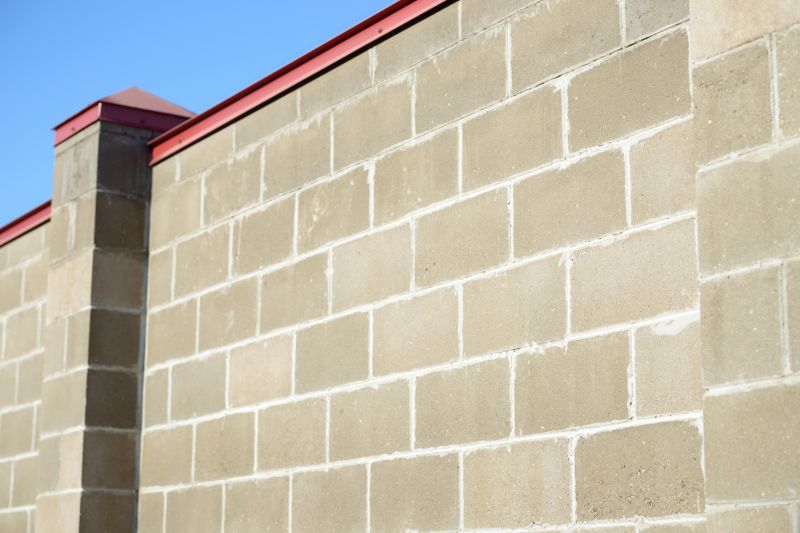
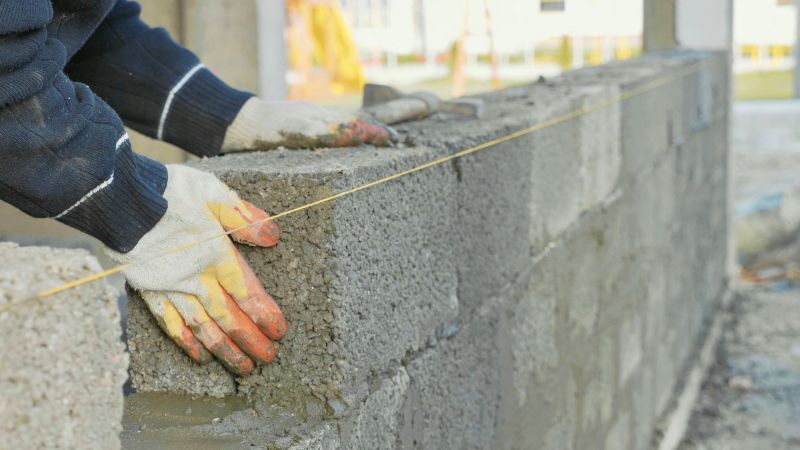
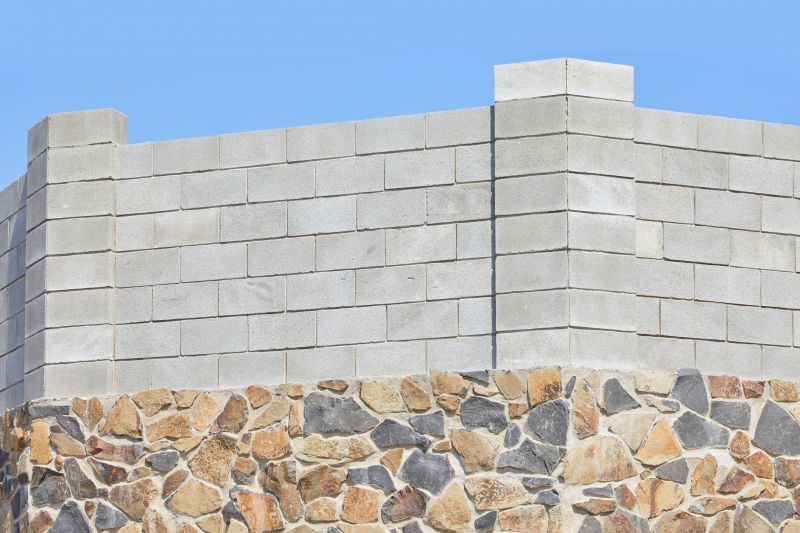
Block foundation installation involves setting a sturdy base for a building or structure using concrete blocks or similar materials. This process typically includes preparing the ground, laying a concrete footing, and carefully stacking the blocks to ensure stability and levelness. Proper installation is essential to provide a solid foundation that can support the weight of the entire structure, preventing future issues related to settling or shifting. Experienced contractors use precise techniques and quality materials to create a durable base that meets the specific needs of each property.
This service helps address common problems such as uneven settling, foundation cracks, or structural instability. When a property experiences shifting or movement in its existing foundation, installing a new block foundation can provide a fresh, stable base. It is also useful for properties that require additional support for extensions, additions, or new construction. By installing a reliable foundation, homeowners can reduce the risk of costly repairs and maintain the integrity of their property over time.
Block foundation installation is often used for residential homes, especially those with basements or crawl spaces. It is also common in small commercial buildings, garages, sheds, or other outbuildings where a strong, level base is needed. Properties built on uneven or unstable ground may benefit from this service to create a level and secure foundation. Local contractors can assess the specific conditions of each property to determine whether block foundation installation is the right solution for ensuring long-term stability.
Homeowners who notice signs of foundation problems, such as cracks in walls, uneven floors, or doors that don’t close properly, might consider block foundation installation as a solution. This service can also be appropriate when planning new construction or property upgrades that require a solid base. By working with experienced local service providers, property owners can find the right approach to reinforce or replace their foundation, helping to protect their investment and improve the overall stability of their property.
The overview below groups typical Block Foundation Installation projects into broad ranges so you can see how smaller, mid-sized, and larger jobs often compare in your area.
In many markets, a large share of routine jobs stays in the lower and middle ranges, while only a smaller percentage of projects moves into the highest bands when the work is more complex or site conditions are harder than average.
Smaller Repairs - Typical costs for minor block foundation repairs or adjustments generally range from $250-$600. Many routine fixes fall within this band, though prices can vary based on the extent of the work and local rates.
Partial Replacement - For partial foundation replacement projects, local contractors often charge between $3,000 and $8,000. Larger, more complex jobs can exceed this range, but most projects fall into the middle tiers of this spectrum.
Full Foundation Replacement - Complete foundation replacement services usually cost between $10,000 and $30,000. These larger projects are less common and tend to push into the higher end of the pricing scale depending on size and site conditions.
Additional Costs - Extra expenses such as permits, soil stabilization, or foundation waterproofing can add $1,000 to $5,000+ to the total. Local service providers can help clarify typical costs for specific project requirements.
Actual totals will depend on details like access to the work area, the scope of the project, and the materials selected, so use these as general starting points rather than exact figures.
Retaining Wall Construction - building retaining walls involves similar planning, site assessment, and use of heavy equipment as foundation block installation projects.
Concrete Paving Services - laying concrete pavements requires expertise in site preparation, leveling, and precise placement, which aligns with foundation block setup skills.
Soil Stabilization and Grading - preparing and stabilizing soil supports proper foundation placement and involves similar planning and earth-moving tools.
Structural Pier and Beam Foundations - installing piers and beams shares techniques related to site assessment, load distribution, and material handling with block foundation work.
Drainage System Installation - designing and installing drainage solutions requires planning and excavation skills comparable to foundation and footing preparations.
Concrete Footing Installation - setting concrete footings involves site excavation, formwork, and reinforcement, closely related to the skills used in block foundation projects.
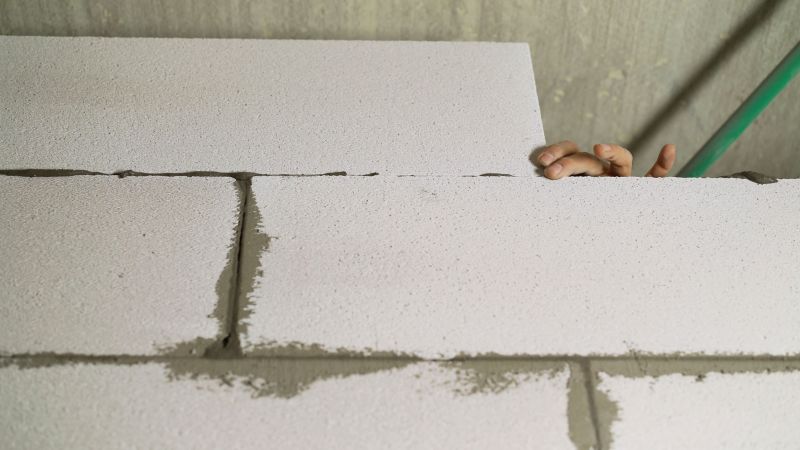
When evaluating contractors for block foundation installation, it’s important to consider their experience with similar projects. Homeowners should seek out service providers who have a proven track record of successfully completing foundation work comparable to what is needed for their property. Asking about previous projects can help determine if a contractor has the necessary expertise and familiarity with the specific challenges that might arise during installation. This focus on relevant experience can provide confidence that the contractor understands the requirements and can handle the scope of the work effectively.
Clear, written expectations are another key factor in choosing a reliable service provider. Homeowners should look for contractors who can provide detailed estimates and scope of work in writing. This documentation helps ensure that both parties are aligned on what will be done, how it will be approached, and what materials or methods will be used. Having a transparent, written plan minimizes misunderstandings and provides a reference point throughout the project, contributing to a smoother process and better results.
Effective communication and reputable references are essential when comparing local contractors. Homeowners are encouraged to ask for references from past clients and to inquire about their experiences. Good communication involves timely responses, clarity in explanations, and a willingness to address questions or concerns. Service providers who maintain open lines of communication and can provide positive references are often more dependable, making them easier to work with and more likely to deliver satisfactory results. It’s important to remember that these local options are introduced to help connect homeowners with qualified professionals, not to perform the work directly.
Property owners use Block Foundation Installation services for practical projects around their homes and businesses. This guide focuses on everyday jobs and straightforward project options.
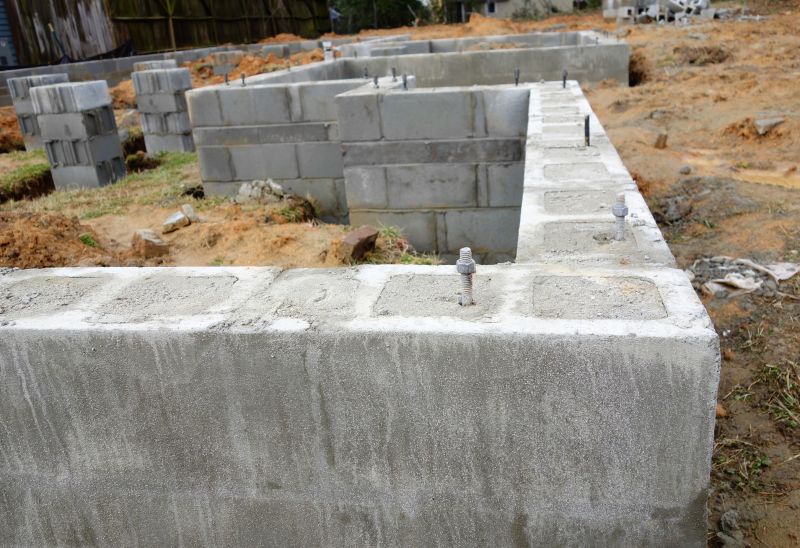

Property owners in the area often seek block foundation installation services when building new structures or making significant renovations to existing buildings. Whether it's preparing a site for a new home, adding a garage, or stabilizing an older property, local contractors can provide the expertise needed to ensure a solid and durable foundation. These projects typically arise from the need to improve property stability, prevent settling issues, or meet construction requirements, making reliable foundation work a common step in many property upgrades.
In addition, property owners may look for block foundation installation services to address foundation repair needs or to reinforce existing structures. Shifts in the ground, moisture problems, or age-related wear can lead to foundation concerns that require professional intervention. Local service providers can assess the situation and deliver solutions designed to restore stability and protect the property's long-term integrity. Connecting with experienced contractors ensures that these essential tasks are handled efficiently and effectively.
What are block foundation installation services? Block foundation installation involves setting concrete or cinder blocks to create a stable foundation for buildings or structures, handled by local contractors experienced in foundation work.
How do local contractors prepare for block foundation installation? They typically assess the site, clear the area, and ensure proper footing and leveling before installing the blocks to ensure stability and durability.
What types of structures can benefit from block foundation installation? Residential homes, garages, and small commercial buildings often utilize block foundations for their strength and cost-effectiveness.
What factors should be considered when choosing a contractor for block foundation work? Experience with foundation projects, reputation, and knowledge of local building codes are important factors to evaluate when selecting a service provider.
What steps are involved in the block foundation installation process? The process typically includes site preparation, footing installation, block stacking, and finishing touches to ensure a solid and level foundation.
Foundation Stabilization - Property owners can seek foundation stabilization services to address issues like uneven floors or cracks, ensuring the stability of their home.
New Construction Support - When building a new structure, property owners may need foundation installation services to provide a solid base for their project.
Deck and Porch Installation - Installing new decks or porches often requires proper foundation work, which local contractors can handle to ensure safety and durability.
Remodeling and Additions - Adding extensions or remodeling existing spaces may involve foundation modifications or upgrades to support the new structure.
If you are thinking about Block Foundation Installation for a property, this guide is meant to help you understand the work, the typical project types, and how different options might fit your plans.
When you are ready, you can use the quote form on this page to share a few details about your project. From there, local pros can review the basics and respond with options that match what you have in mind.